Summary
Relocating valuable and fragile items requires careful planning akin to museum standards to prevent damage. This process is crucial for antiques, collectibles, and artworks, which are susceptible to physical damage and environmental risks. Adopting museum techniques, including specialized packing, custom supports, and climate-controlled transportation, can significantly mitigate these risks, ensuring safe transport and preservation of items.
Pre-Move Preparation
Effective pre-move preparation is critical for moving delicate items. Conducting a thorough assessment of each item—considering its fragility, material, and specific environmental needs—enables tailored handling and packing strategies. Grouping items by type can simplify the packing process and allow for better management throughout the move.
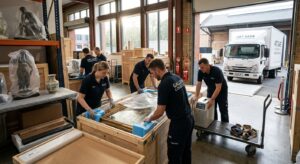
Engaging professional movers experienced in handling fragile objects ensures that specialized packing materials and climate-controlled transport are utilized, which are essential for protecting items against environmental changes and physical impacts. Detailed labeling and condition documentation help maintain organization and ease unpacking procedures.
Packing Techniques for Valuable and Fragile Items
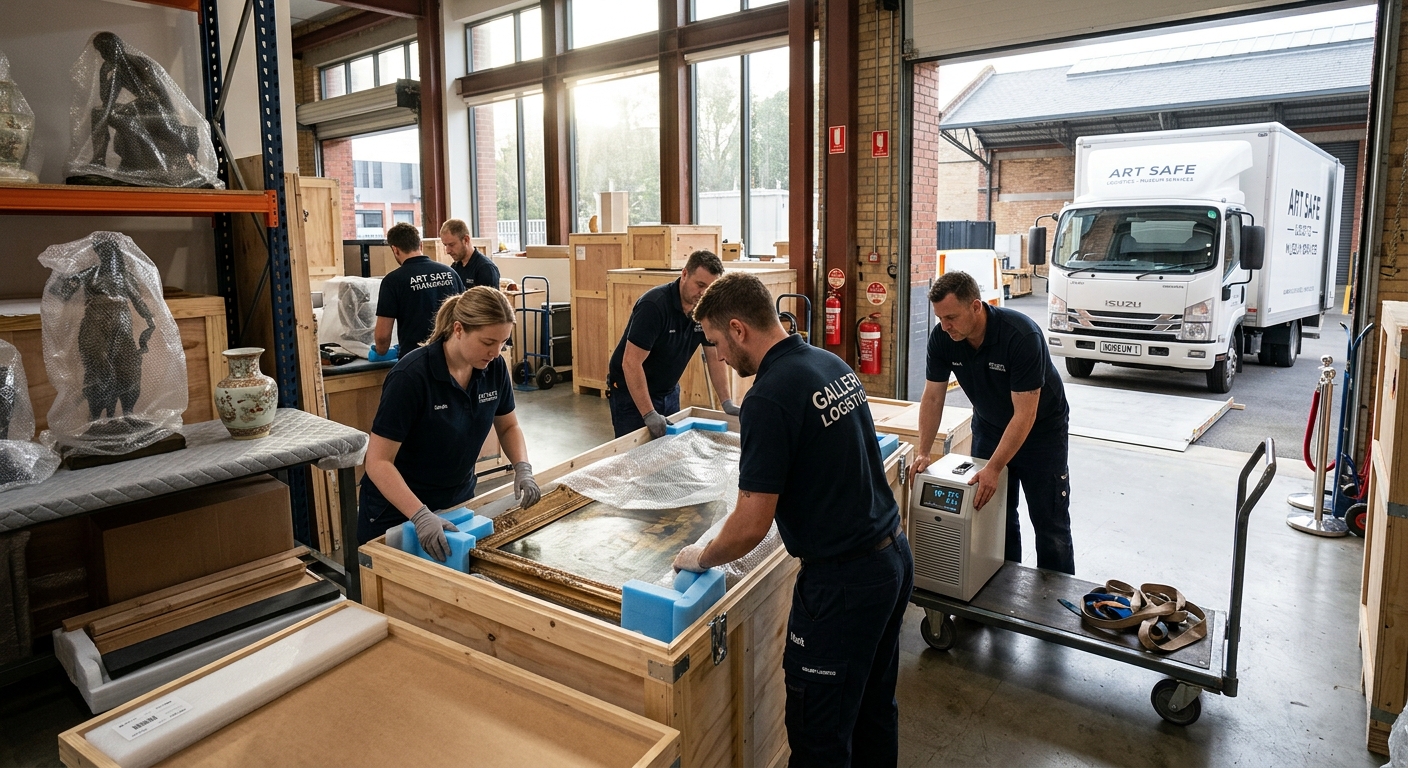
Packing fragile items involves systematic sorting and the use of specialized materials. By grouping similar items, homeowners can select appropriate packing techniques like wrapping individual objects in acid-free tissue or bubble wrap to minimize damage risks. Utilizing high-quality cushioning materials, such as foam sheets, enhances protection for delicate items during transport.
For irregularly shaped items, custom-built crates provide superior immobilization and protection against shocks. Filling voids in boxes with packing paper or cushioning materials can help prevent shifting during transportation, and secure sealing and labeling of boxes ensure a safe and organized moving process.
Handling and Moving Procedures
Meticulous handling is crucial for fragile items to prevent damages during relocation. Assessing the environment where items will be moved—including checking for stable surfaces and loose parts—is necessary for safe transportation. Utilizing gloves and other protective gear further mitigates risks of contamination or damage from mishandling.
Proper padding and weight distribution are essential to avoid moving dissimilar materials together, reducing the chances of abrasion. Specialized equipment, like padded dollies or climate-controlled trucks, may be necessary for safe handling and transport of valuable items, ensuring their preservation throughout the moving process.
Transportation Considerations
Transporting fragile items involves selecting appropriate methods based on the item’s needs and distance. For sensitive artifacts, vehicles with air-ride suspension systems are ideal for reducing vibrations that could cause damage. Maintaining climate control during transit is also essential to prevent environmental harm.
Using specialized packaging materials and sealing shipment containers with tamper-evident seals enhances protection during transport. Equally important is having trained professionals handle logistics to ensure careful handling, real-time tracking, and tailored insurance coverage for any potential risks involved.
Unpacking, Inspection, and Reinstallation
Upon arrival, careful unpacking of items is critical to maintaining their integrity. Each object should be managed individually, using their strongest points to prevent accidental damages. Conducting a thorough condition report post-move assists in documenting any changes and is vital for ongoing conservation.
Reinstallation must follow strict environmental standards to ensure artifact preservation. The display area should be conditioned properly, and staff responsible for these procedures need adequate training. Following established guidelines will enhance professionalism and reduce risks associated with handling valuable artifacts.
Adapting Museum Practices for Home Relocations
Homeowners can significantly benefit from adapting museum practices when relocating fragile items. This includes applying meticulous planning and risk assessment strategies similar to those used by museums. Choosing suitable transportation methods and utilizing high-quality packing materials can greatly enhance safety during the move.
Detailed wrapping, securing with new sturdy boxes, and clear labeling will alert handlers to treat items with care. By integrating these museum-level techniques, homeowners can better safeguard their valuable possessions, ensuring a smoother relocation experience.
Challenges in Relocating Valuable Items
Relocating fragile items presents challenges such as increased damage risks during handling. Each move heightens potential for loss or damage, necessitating careful planning, minimizing handling, and utilizing effective stabilization techniques for vulnerable objects. Implementing meticulous strategies can mitigate these challenges and enhance the safety of treasured belongings.
The content is provided by Sierra Knightley, Home Upgrade News