
Summary
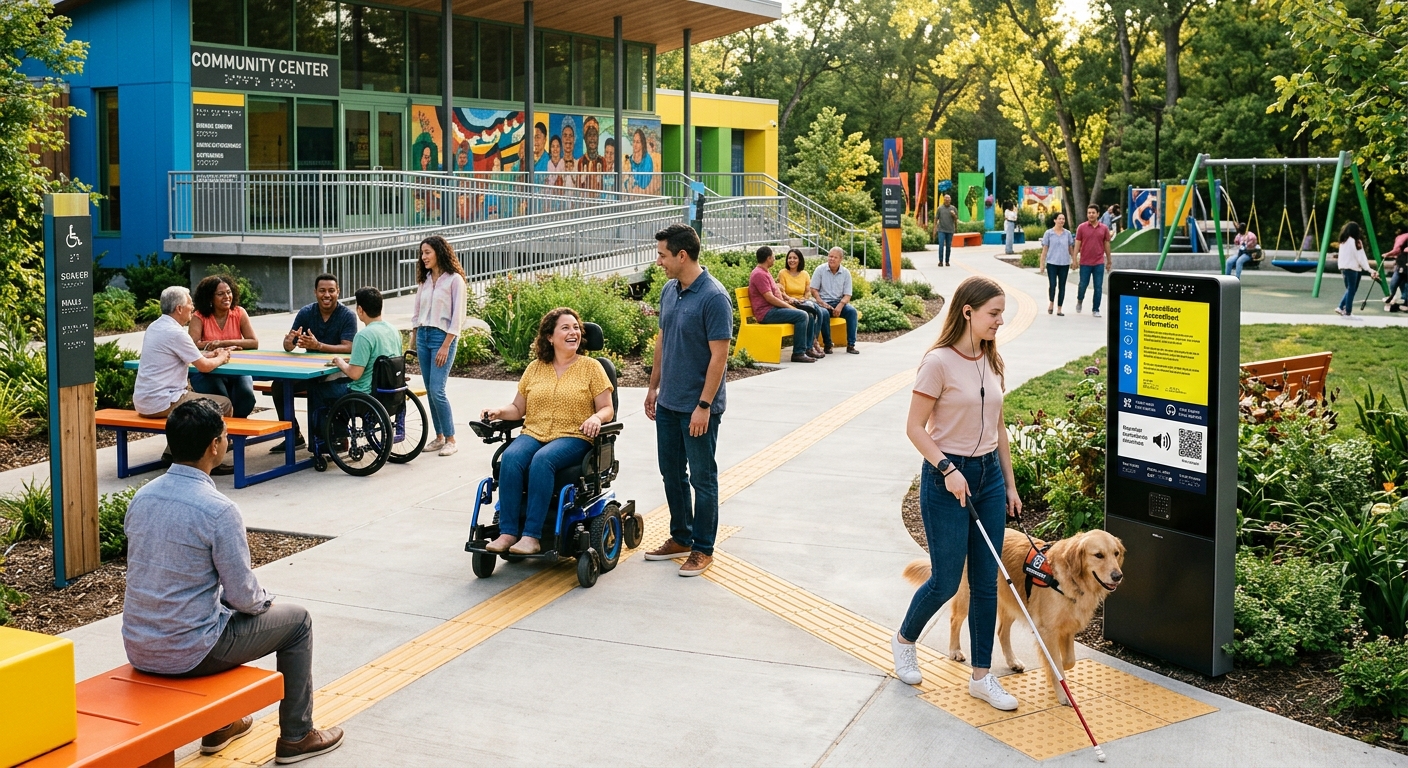
The 20268 A Design Revolution in Accessibility focuses on improving accessibility in physical, digital, and social environments for individuals with disabilities. This movement builds on historical assistive technologies and the establishment of Universal Design principles, which aim to ensure inclusivity. Critical milestones, such as the Seven Principles of Universal Design and the Americans with Disabilities Act (ADA), have led to the adoption of standards in various contexts. While advancements like AI and immersive technologies enhance assistive solutions, ongoing challenges include enforcement of accessibility laws and the need for emotionally engaging designs that foster user connection.
Historical Background
Assistive technology has ancient roots, with early innovations like wheelchairs and prosthetics. A significant milestone was Louis Braille’s invention of a reading system for the visually impaired in the early 19th century. The return of injured soldiers post-World War II also spurred developments in mobility aids, leading to inventions like the electric wheelchair. Ron Mace’s development of the Seven Principles of Universal Design in 1997 established foundational guidelines for inclusive design across sectors, prompting a shift toward integrated accessibility in both physical and digital environments.
Key Legislation and Standards
Accessibility legislation, notably the Americans with Disabilities Act (ADA) and the European Accessibility Act (EAA), set essential standards for equal access in public and private sectors. The ADA prohibits discrimination in various areas and mandates website accessibility using guidelines like the Web Content Accessibility Guidelines (WCAG). Similarly, the EAA outlines requirements for consumer products across the EU, now including private sector obligations. Compliance with both legislations necessitates adherence to WCAG standards, ensuring comprehensive accessibility practices that adapt to evolving user needs.
Core Principles and Frameworks of the Design Revolution
The Seven Principles of Universal Design provide a foundational framework for accessibility, allowing designers to create inclusive environments usable by the widest range of people. These principles are applicable beyond physical spaces, influencing products, services, and digital applications to enhance usability for all. The integration of these principles with usability heuristics fosters a holistic approach in design strategies, ensuring accessibility is embedded in development processes. As the landscape evolves, principles now also consider intersectionality, linking disability accessibility with broader social issues like equity and sustainability.
Influential Organizations and Thought Leaders
Organizations like the Committed Firms network and the Global Disability Innovation Hub play crucial roles in promoting inclusive design. They facilitate collaboration and share resources to advance accessibility initiatives. The World Health Organization’s GATE initiative also enhances global cooperation on assistive technology, driving innovation. On a governmental level, the U.S. Access Board develops guidelines that align with international accessibility standards, while academic institutions contribute through research funding, emphasizing a culture of sustainability in accessibility frameworks.
Innovations in Assistive Technologies
Assistive technologies are increasingly driven by personalization and AI advancements, enhancing user experience and addressing individual needs. Custom solutions, such as tailored prosthetics and adaptive devices, are being developed through innovative materials like 3D printing. AI applications improve navigation and communication, enabling smarter assistive devices. Despite these advancements, disparities in digital access and infrastructure remain challenges, necessitating intentional design practices that focus on removing barriers and promoting equitable access in technology development.
Applications and Real-World Impact
Real-world applications of assistive technology improve accessibility significantly through various initiatives. Programs like AT2030 demonstrate broad impact by enhancing access for millions globally. The adoption of universal design principles has led to better functionality in products, emphasizing co-design with users for tailored solutions. These inclusive design efforts not only comply with legal standards but also foster emotional connections with users, highlighting the importance of both usability and desirability in successful assistive products.
Case Studies and Success Stories
Success stories illustrate the tangible benefits of inclusive design in various sectors. Higher education institutions applying universal design frameworks greatly enhance support for disabled students, fostering genuine inclusion. Similarly, social services improved resource delivery through inclusive systems benefiting both users and staff. The principles set forth by Ron Mace continue to guide these successful implementations, underscoring the integral role of emotional accessibility in promoting user adoption and satisfaction within the design revolution.
Legacy and Future Directions
The legacy of accessible design remains strong, rooted in the principles established by pioneers like Ron Mace. As digital and physical access evolve, frameworks such as WCAG and laws like the ADA continue to shape practices worldwide. However, challenges related to infrastructure and investment persist, emphasizing the need for equitable solutions. Looking ahead, the integration of AI in assistive technologies presents both opportunities and risks, necessitating a commitment to human-centered design that promotes emotional connection while ensuring functionality. In this dynamic landscape, the goal is to embed accessibility as a standard, inclusive feature in all design efforts.
The content is provided by Jordan Fields, Home Upgrade News