Summary
Optimizing kitchen corner cabinetry can significantly enhance storage efficiency and accessibility, addressing common challenges like awkward angles and cluttered spaces. Traditional corner cabinets, often deep and difficult to navigate, can lead to wasted storage. Innovations like pull-out shelves, Lazy Susans, and advanced corner systems have emerged to better utilize these areas, transforming them into functional storage that aligns with modern kitchen design trends.
Historical Development of Corner Cabinet Storage
Corner cabinets have evolved from simple diagonal designs featuring Lazy Susans to more complex systems that better address accessibility issues. Initially popularized during the Second World War, modular cabinets often struggled with “blind corners,” but Lazy Susans helped make these spaces more practical. As kitchen design progressed, pull-out shelves and improved hardware have provided easier access and eliminated dead space, responding to contemporary demands for both functionality and aesthetics.
Innovative Corner Cabinet Storage Solutions
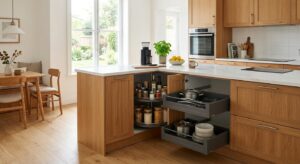
Maximizing storage in kitchen corners requires innovative approaches tailored for accessibility and organization. Pull-out shelves allow entire trays to slide out for easy access, transforming deep cabinet spaces into manageable storage areas. Lazy Susans remain a favorite due to their rotating functionality, while advanced solutions like LeMans systems and diagonal cabinets have significantly enhanced usability and visual appeal in modern kitchens.
Pull-Out Shelves and Sliding Mechanisms
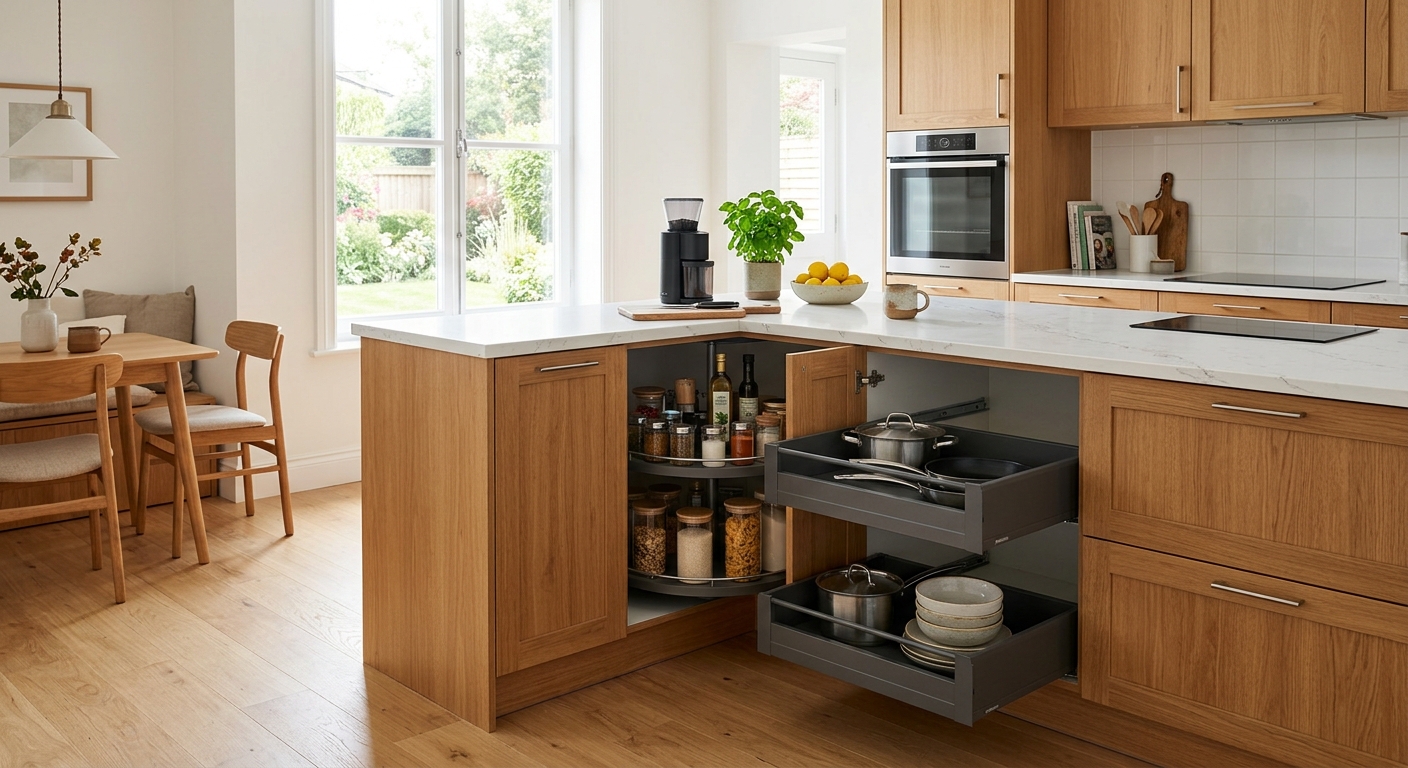
Pull-out shelves enable seamless access to items stored at the back of corner cabinets. These systems slide out on heavy-duty tracks, making it easier to reach kitchen essentials. Some may feature innovative shapes, such as kidney or pie-cut designs, promoting effective use of cabinet depth while reducing the challenge of navigating difficult-to-reach areas.
Lazy Susan Systems
The classic Lazy Susan continues to be effective in corner cabinetry. Its rotating shelves allow users to effortlessly spin items into view, optimizing storage in both base and upper cabinets. This age-old solution adapts well to various kitchen styles, providing practical access to stored goods with minimal effort.
LeMans and Magic Corner Pull-Outs
LeMans systems offer high-capacity storage with drawers that smoothly glide out when the cabinet door opens, enhancing ease of access. Conversely, the more economical Magic Corner option utilizes folding shelves that expand when needed, ideal for homeowners looking for functional yet affordable solutions to maximize corner spaces.
Corner Drawers and Diagonal Cabinets
Corner drawers allow quick access to stored items by pulling out diagonally, reducing wasted space often found in traditional cabinets. Diagonal cabinets can enhance the kitchen’s aesthetic while housing effective storage systems, making them a versatile choice across various design motifs.
Hanging Racks and Open Storage
Incorporating hanging racks can turn upper corner spaces into stylish storage areas for pots and kitchenware. This open storage solution not only enhances functionality but also adds character to the kitchen, appealing to homeowners aiming for a blend of style and efficiency.
Installation Considerations
The installation of corner cabinet systems requires a well-planned approach, particularly for advanced mechanisms that rely on precise clearance and alignment. While some setups can be tackled by skilled DIYers, complex installations often benefit from professional expertise to ensure functionality and durability. Selecting the right hardware and understanding the spatial dynamics of the kitchen layout are crucial to achieving optimal results.
Materials and Manufacturing Advances
Advancements in cabinet manufacturing emphasize sustainability and precision, particularly with technologies like CNC machining. This method enhances accuracy and reduces waste while allowing for customization. Material choices now prioritize eco-friendliness, incorporating renewable resources and low-VOC finishes to improve indoor air quality without compromising aesthetics.
Common Issues with Traditional Corner Cabinets
Many traditional corner cabinets struggle with accessibility and efficient storage use, leading to frustrations with cluttered spaces. Their bulky designs interrupt modern kitchen flow and create practical challenges, pushing homeowners toward more innovative solutions. Effective corner storage must prioritize usability without compromising the overall aesthetic, prompting the reconsideration of outdated designs.
Installation, Cost, and Maintenance
Costs and installation requirements vary across corner cabinet solutions, influenced by system complexity and chosen materials. Basic options, like Lazy Susans, are generally more affordable, while advanced mechanisms involve higher investment due to their intricacies. Regular maintenance, driven by construction material quality, ensures longevity and efficient function, underscoring the importance of selecting durable components for long-term performance.
Design Considerations and User Preferences
Designing effective corner cabinets necessitates considering space and user preferences for organization. Discovering the best solutions often involves understanding individual cooking habits and storage requirements. Balancing functionality with aesthetic appeal is key, guiding choices that optimize usability in today’s kitchen environments.
Case Studies and Practical Applications
Custom solutions exemplify effective corner storage utilization. Combining radius wood swing-outs with rollout shelves not only enhances access but also aligns with aesthetic goals. Integrating drawers into corner cabinets further exemplifies how tailored designs can maximize storage while respecting the kitchen’s overall design framework.
Related Kitchen Design Concepts
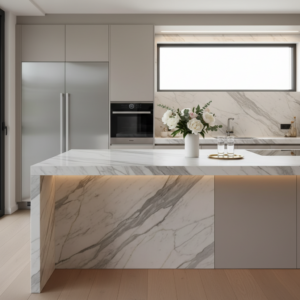
Efficient kitchen design prioritizes maximizing space and enhancing functionality, particularly in challenging corners. With a move towards minimalistic styles, modern kitchen designs seek to balance visual openness with practical storage solutions. Sustainable materials play a significant role, aligning environmentally responsible choices with contemporary aesthetic preferences.
The content is provided by Jordan Fields, Home Upgrade News