
Summary
The Hidden Dangers of Undetected Termites outlines the substantial risks posed by termite infestations in homes. These pests can cause severe damage to wooden structures while remaining hidden, leading to costly repairs. The article discusses the two most common types in the U.S.—subterranean and drywood termites—detailing their entry points, detection challenges, and advanced technologies for identifying infestations. Professional inspections and preventive strategies are emphasized as essential for protecting homes from the costly consequences of these silent invaders.
Identifying Risk Factors for Termite Infestations
Termites can enter homes through tiny cracks and crevices, often remaining undetected until substantial damage occurs. They typically make themselves known via mud tubes or subtle changes in wood structure, but these signs can be easily missed without thorough inspections. Common entry points include gaps around foundations, utilities, and direct wood-to-soil contact, making proper sealing and maintenance crucial to prevention.
Understanding Your Home’s Vulnerabilities
Common access points include small openings around patios, soil-filled porches, and unsealed utility areas. Additionally, landscaping elements like wooden decks or planters near foundations provide bridges for termites. Regularly inspecting these areas and sealing potential entry points can significantly reduce the risk of infestations.
Recognizing Early Signs of Infestation
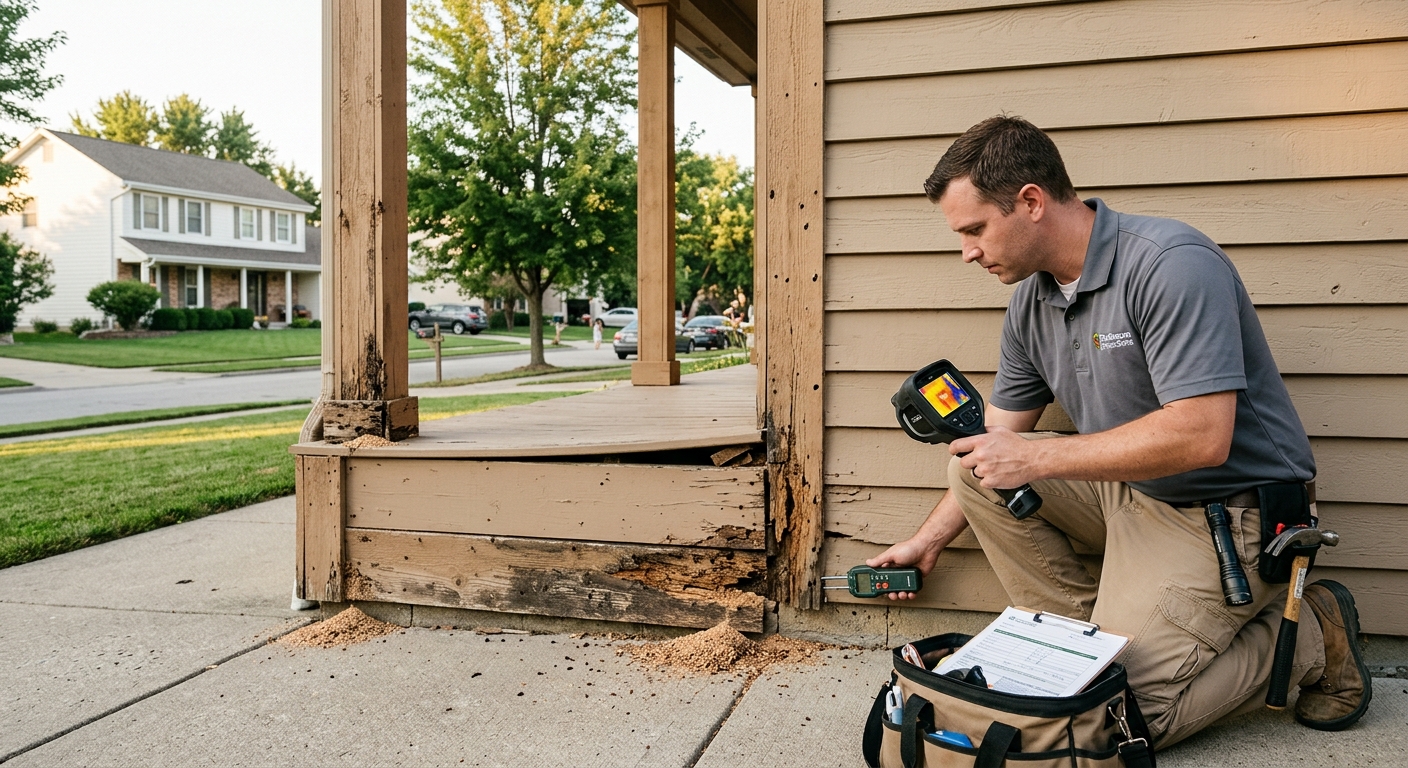
Vigilance is key to detecting early signs of termite infestations. Look for pencil-width mud tubes along walls or foundations, hollow-sounding wood, and changes in door or window fitting. Other indicators include frass, which are droppings near infested areas, and signs of moisture where termites typically thrive, such as musty odors or moisture accumulation.
Structural Damage and Its Implications
Undetected termite damage can compromise key structural components, often leading to sagging floors or warped walls. These issues often arise unnoticed, as damage frequently occurs behind walls or under flooring. By understanding how termites weaken critical wood elements, homeowners can remain alert to signs of damage before they escalate to structural failure.
Influencing Factors for Damage Severity
Factors such as termite species, structural conditions, and moisture levels significantly affect the rate of damage. Species like Formosan termites are particularly aggressive, while high moisture levels near foundations can amplify vulnerabilities. Homeowners should not overlook the risks associated with untreated wood and inadequate moisture management, as these elements can facilitate rapid infestation progress.
Detection Techniques for Early Identification
Efficient detection of termite activity involves a combination of traditional inspection methods and emerging technologies. Trained inspectors can identify signs of infestation using visual checks complemented by tools like moisture meters or thermal imaging. Advanced monitoring systems, including acoustic detection and AI technologies, enhance the ability to pinpoint infestations, improving the likelihood of timely intervention.
Best Practices for Prevention
Preventive strategies are crucial for mitigating termite risks. Utilizing chemically treated wood in construction, sealing cracks, and maintaining distance between soil and wood components can greatly deter termite access. Regular inspections and diligent monitoring of vulnerable areas will support ongoing prevention efforts against infestations.
Effective Treatment Options
In the event of an infestation, soil-applied barrier treatments are the most common method to create a protective chemical barrier. Proper application is essential to ensure effectiveness while considering environmental safety. Professional pest control services are recommended for their expertise in evaluating specific conditions that may require tailored treatment strategies for effective eradication.
Understanding the Impacts of Infestations
Numerous real-life cases illustrate the often-hidden effects of termite damage. Homeowners frequently discover issues only after significant structural problems arise, leading to costly repairs. These cases underscore the value of early detection and the importance of regular inspections to avert severe architectural consequences and financial strain.