Summary
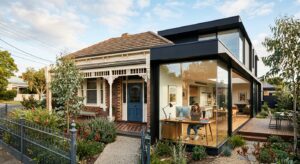
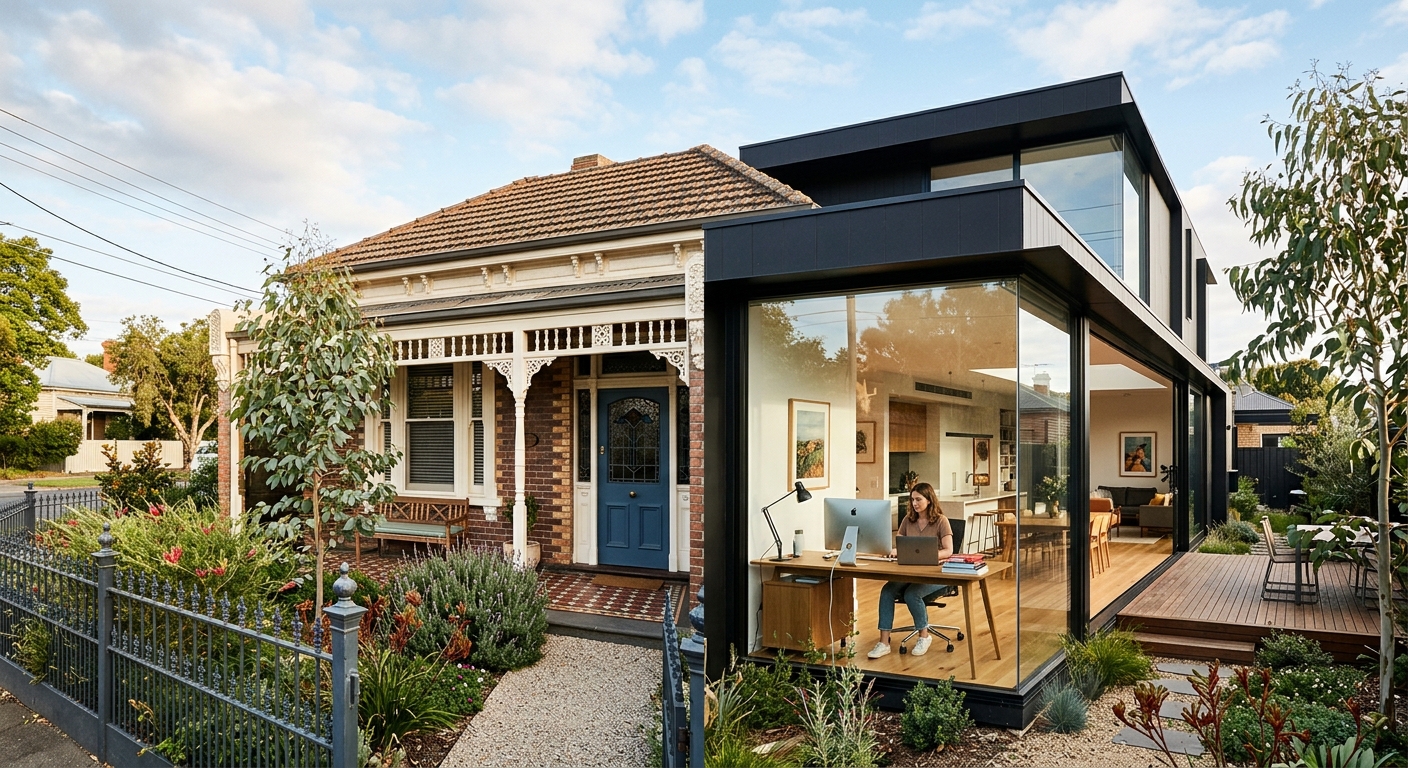
The “mullet home” is a unique architectural trend in Australia featuring a traditional front facade combined with a modern rear extension, mirroring the “business in the front, party in the back” mullet hairstyle. This design blends classic aesthetics, like Victorian styles, with contemporary elements that emphasize open-plan living and natural light. The trend gained momentum during the COVID-19 pandemic, driven by homeowners’ desire to adapt their spaces for remote work, showcasing a cultural shift towards preserving heritage while embracing modern needs despite challenges like rising costs and regulations.
Definition and Concept
A “mullet home” describes a property that harmoniously combines traditional and modern design. The front generally respects classic architectural styles, while the rear features an open, vibrant space ideal for casual living and entertaining. This duality showcases contrasting design philosophies, offering both elegance and modern functionality, appealing to many Australian homeowners.
Historical Context and Development
The rise of mullet homes is linked to cultural expressions of the 1970s and the recent pandemic-driven renovation boom, which saw significant increases in home extensions designed in this style. Homeowners often opted for modern spaces paired with traditional facades, especially in urban terrace housing. However, despite initial renovation enthusiasm, rising costs and inflation have tempered activity, underscoring the challenges in adapting these homes.
Architectural Characteristics
Mullet homes feature a traditional front facade that aligns with neighborhood aesthetics, enhancing the streetscape while contrasting starkly with a bold modern rear. This space incorporates expansive glass facades and innovative materials that foster indoor-outdoor connectivity. Internally, these homes prioritize open, flexible layouts that seamlessly integrate modern living needs with historical preservation.
Renovation Practices and Trends
Renovating mullet homes necessitates collaboration among architects, heritage experts, and engineers, navigating complex regulations while responding to site-specific challenges. Heritage overlays might restrict changes but can enhance design authenticity when strategically addressed. Successful renovations prioritize blending old and new, evidencing how careful design can maintain heritage character while adapting to contemporary lifestyle demands.
Social and Cultural Significance
The resurgence of the mullet hairstyle parallels the renovation of homes, creating a cultural symbol of identity and adaptability. As seen during the pandemic, many embraced the mullet as a DIY style, reflecting broader social shifts. This trend, including variations like the “femullet,” exemplifies inclusivity and challenges traditional norms, further reinforcing its significance in contemporary Australian society.
Geographic Distribution and Demographics
Mullet homes are widely found in Australia’s urban and suburban landscapes, appealing to buyers drawn to their combination of heritage and modernity. This trend embodies a desire for historical character while aligning with modern needs, fostering desirable living spaces that fit into diverse demographics. Renovating these properties often presents unique challenges that require careful execution to maintain historical integrity.
Regulatory and Planning Considerations
Understanding the regulatory framework is crucial for mullet home renovations, as zoning regulations dictate what can be constructed. This includes navigating site-specific environmental concerns and heritage preservation laws that can restrict renovations. Engaging professionals familiar with these regulations enhances compliance and can facilitate creative solutions that respect historical context while allowing for modern amenities.
Economic Impact
The popularity of mullet homes is reshaping the Australian real estate market. Their blend of traditional aesthetics with modern functionalities enhances property values, driving demand in suburban areas. However, navigating local regulations can complicate renovation processes and budgets, indicating the necessity of a balanced approach to development that prioritizes both compliance and marketability.
Challenges and Obstacles
Renovating heritage properties, like those showcasing the mullet style, presents challenges due to stringent heritage regulations. Architects must find innovative ways to integrate modern requirements without compromising historical integrity. While these regulations may seem burdensome, they can also inspire unique design solutions that respect the character of the original home and meet contemporary needs.
Criticism and Debate
Mullet homes have sparked discussions regarding their aesthetic value and functional design. Some praise the innovative blend of styles, while others critique them as lacking warmth or personality. Additionally, the duality of these homes raises questions about their ability to balance heritage preservation with modern lifestyles, highlighting the need for thoughtful architectural responses in contemporary urban settings.
Future Outlook
The trend of mullet homes is expected to continue growing, fueled by cultural nostalgia and influences from public figures. This architectural style may evolve further, blending traditional frameworks with innovative designs that resonate with younger generations. As these homes remain at the intersection of heritage preservation and modern living, their appeal is likely to sustain relevance in Australian housing trends.