Summary
A mudroom functions as a practical space that transitions between outdoor and indoor environments. It helps manage clutter by organizing outdoor gear, facilitates cleanliness, and enhances the overall lived experience. With adaptability to various living situations, mudrooms serve diverse functions, reflecting unique lifestyles and spatial constraints.
Definition and Purpose
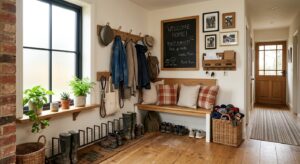
A mudroom is more than an entryway; it serves several important functions, including a welcome area for guests and a landing zone for everyday items. It promotes organization by providing dedicated spaces for shoes and coats, which helps maintain cleanliness throughout the home. This transitional area can also reflect personal meaning and use, adapting to the specific needs of its occupants.
Historical Background
The concept of mudrooms dates back to ancient times, illustrating their significance across cultures. Modern mudrooms gained popularity in the mid-20th century, particularly in colonial revival architectural designs. These spaces blend functionality and tradition, influencing how homes are structured and how interactions with these areas evolve over time.
Importance and Benefits
Well-designed mudrooms enhance household organization by providing a designated area for outdoor items, which reduces clutter and helps streamline daily routines. They also improve indoor hygiene by preventing dirt and moisture from spreading into the home. Additionally, mudrooms can positively influence the emotional experience of entering a home, contributing to both practical and aesthetic enjoyment.
Mudrooms in Different Living Environments
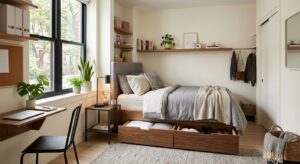
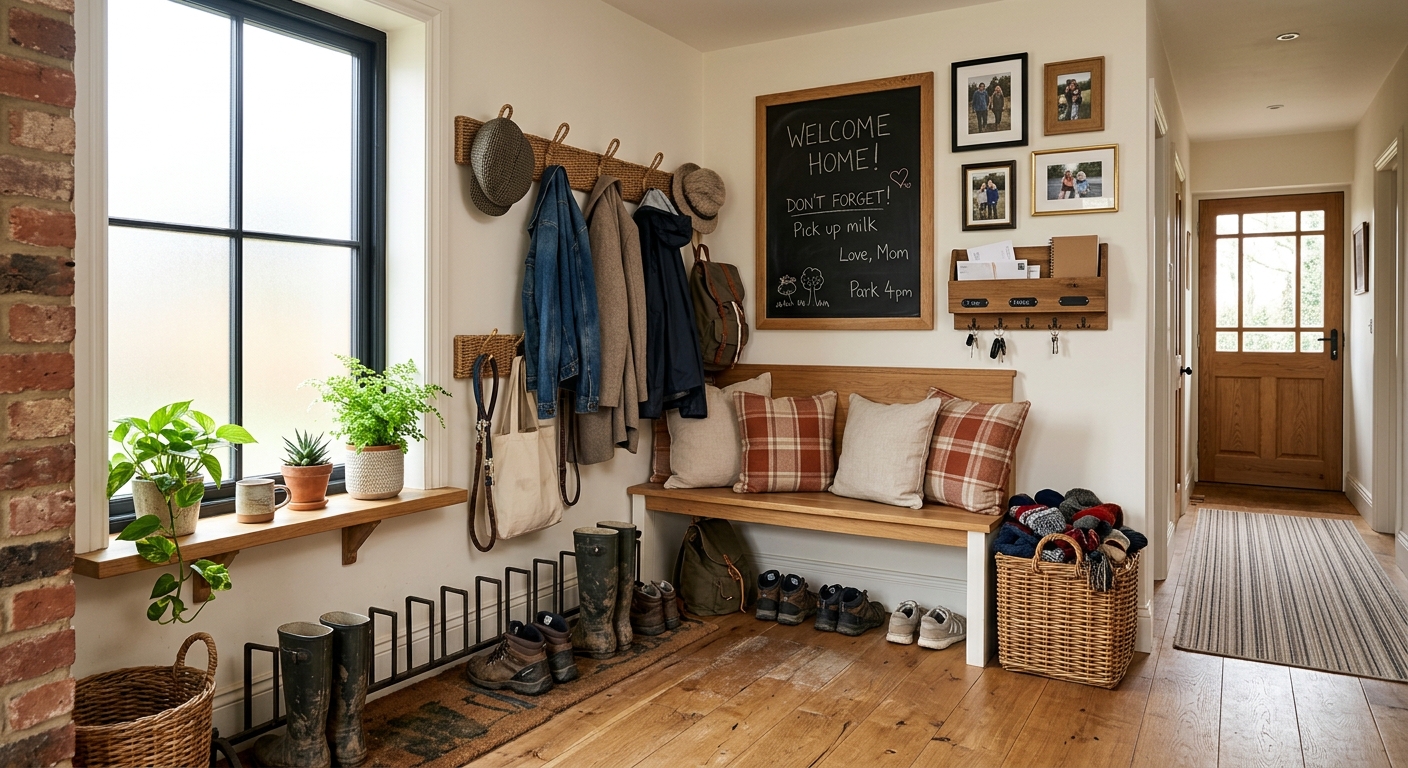
Mudrooms vary in design and function based on their environment. In city apartments, they are compact and may include essential elements like hooks and small benches, maintaining usability while conserving space. Conversely, family homes typically feature larger, multifunctional mudrooms that accommodate additional storage and organization needs.
Mudrooms in City Apartments
Urban mudrooms often adopt a compact design, using practical furniture such as console tables and wall hooks to maximize functionality. Visual appeal is also prioritized to enhance the aesthetic of tight entry spaces, creating inviting and well-organized areas.
Mudrooms in Family Homes
In family homes, mudrooms are generally larger and multifunctional, providing ample storage while helping maintain cleanliness throughout the house. They can serve as organizational hubs where family members prepare for daily activities, integrating functionality into everyday life.
Shared Characteristics and Functional Importance
Regardless of size or location, all mudrooms perform a vital role by serving as transition areas that maintain cleanliness and organization. Their thoughtful design can enhance both style and functionality, meeting the demands of modern living.
Design Strategies for Mudrooms in Small City Apartments
Designing small apartment mudrooms requires effective space management while ensuring usability and aesthetics are not compromised. Incorporating essential elements tailored for limited spaces, such as slim benches and wall-mounted hooks, maximizes functionality. Use of vibrant finishes and personalization creates inviting environments that integrate seamlessly into urban living.
Renovation and Customization Approaches
Renovating mudrooms involves reimagining underused spaces to enhance functionality. Considerations include durable flooring options and built-in storage solutions that optimize usability while reflecting personal style. Sustainable materials and multifunctional designs can also be integrated, enhancing both utility and aesthetics.
Materials and Finishes Suitable for City Apartment Mudrooms
Choosing the right materials for city apartment mudrooms is crucial for longevity and ease of maintenance. Durable flooring like porcelain or luxury vinyl planks withstands moisture and foot traffic while offering visual interest. Wall finishes must also be resilient against scuffs and stains, ensuring a welcoming, functional space.
Flooring Options
Opting for moisture-resistant and durable flooring, such as ceramic tiles or LVP, can effectively meet the demands of high-traffic entryways. These options provide aesthetic variety and practicality, maintaining a clean, stylish environment.
Wall Treatments
Durability in wall treatments is necessary to withstand stains and moisture in mudrooms. Options like moisture-resistant panels and bold paint colors can enhance the visual appeal while protecting surfaces from wear and tear.
Additional Considerations
Proper ventilation and effective lighting are crucial in urban settings to maintain air quality and enhance usability. Thoughtful integration of lighting fixtures can add character while ensuring the functionality of the mudroom space.
Lighting and Security Features
Layered lighting strategies are essential for creating an effective and welcoming mudroom. Incorporating smart lighting options not only improves usability but also contributes to energy efficiency, enhancing overall satisfaction with the space.
Cultural Influences on Mudroom Design
Cultural narratives significantly shape mudroom aesthetics and functionality, with regional designs reflecting unique styles and lifestyles. The integration of global design influences allows for the creation of spaces that are both meaningful and practical, appealing to diverse tastes.
Adaptations and Reinterpretations in Urban Settings
Urban mudroom design incorporates participatory approaches and innovation to address the unique challenges of transitional spaces. Emphasizing user adaptability allows for creative solutions that respect historical context while meeting contemporary needs.
Space-saving Features and Organizational Solutions
Maximizing space in compact mudrooms requires strategic design choices, utilizing vertical areas and multifunctional furniture to enhance organization. These approaches help streamline daily routines and maintain organization, effectively balancing style with functionality.
Maintenance and Upkeep
Regular maintenance is vital to keeping a mudroom functional and visually appealing. Durable materials and easy-to-clean surfaces can simplify upkeep, while thoughtful design choices can enhance the organization, ensuring a clean environment year-round.