Summary
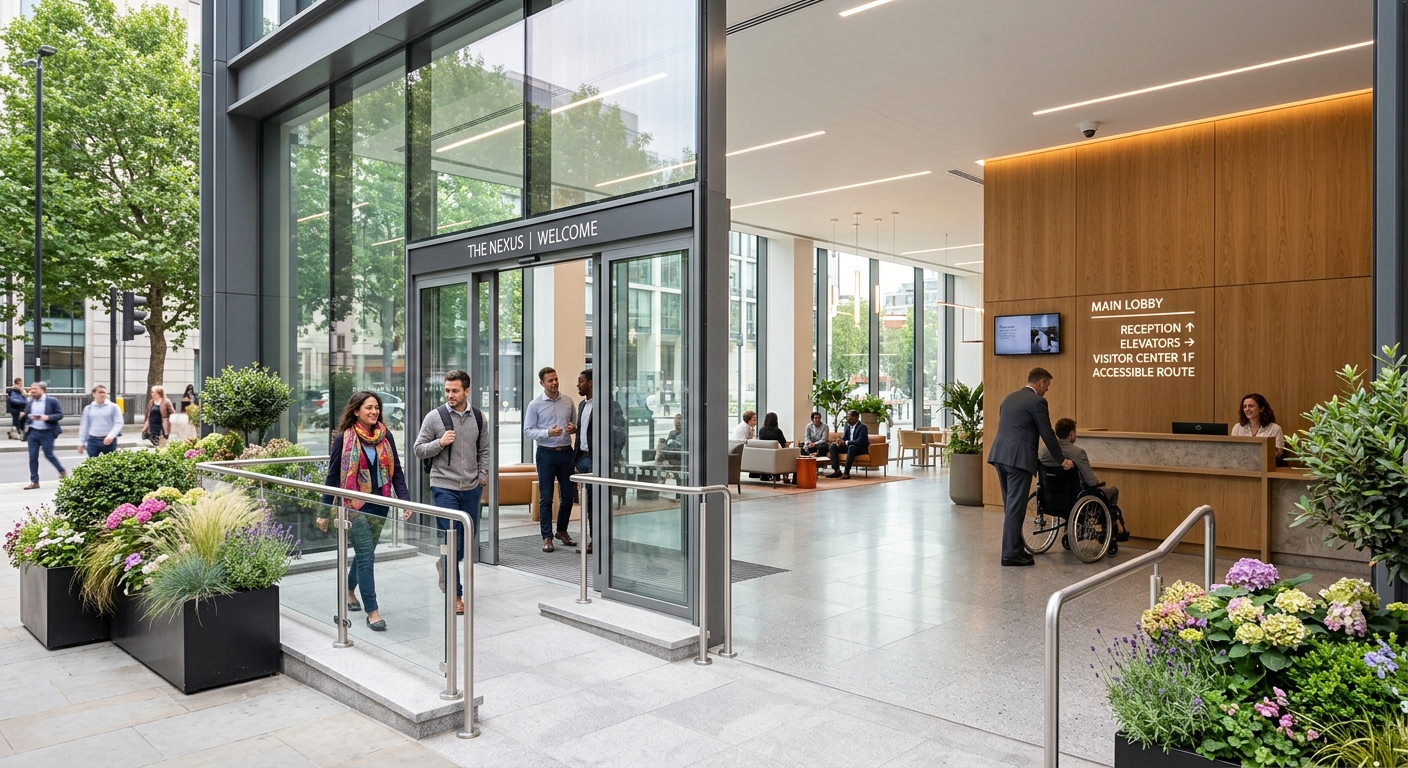
Designing entrances that are both inviting and secure requires a blend of aesthetics, user experience, safety, and compliance with regulations. These key transitional spaces shape visitors’ perceptions and influences their comfort and sense of safety. Effective entrance design prioritizes clear wayfinding, thoughtful material choices, human-centered principles, and security measures, ensuring ease of use and psychological reassurance for all users, including those with disabilities.
Key design features include durable materials, strategic lighting, landscaping, and adherence to accessibility standards like the Americans with Disabilities Act (ADA). These elements not only enhance functionality but also contribute to an appealing atmosphere that feels safe. Balancing safety with an inviting design is critical to avoid intimidating environments, leveraging technology to streamline access while preserving a sense of warmth.
Challenges persist in aligning historic preservation with modern accessibility and security needs. Designers need to find innovative ways to honor heritage while ensuring compliance and prioritizing user experience, leading to a harmonious entrance design that welcomes all visitors.
Core Design Principles
Effective entrance design hinges on fundamental principles including clear wayfinding, material selection, human-centered design, regulatory compliance, and security considerations. A clear wayfinding strategy establishes a hierarchy of directional information that guides visitors efficiently without overwhelming them. For instance, focused signage indicating major areas enhances movement clarity.
Material selection impacts both the functionality and emotional tone of an entrance; durable materials can evoke comfort and align with the building’s identity. Human-centered design integrates insights from various disciplines to cater to user needs effectively, fostering a welcoming environment with trends like Scandinavian simplicity that enhance both aesthetics and comfort.
Adhering to safety codes and accessibility guidelines, such as the ADA, is vital for protecting users and providing dignified access. This involves balancing stringent security measures with a welcoming atmosphere, ensuring that entrances remain accessible and inviting for all.
Key Elements of Inviting Entrances
Crucial for welcoming visitors, inviting entrances communicate the building’s purpose and character. Key aspects to consider include material selection, effective lighting, landscaping, accessibility, and safety features, all of which contribute to the overall user experience.
Material Selection and Aesthetic Cohesion
The choice of materials must balance elegance and durability to create lasting impressions. For instance, wooden doors signal warmth for traditional spaces, whereas steel offers a modern touch. This selection should also consider climate and maintenance needs, ensuring the entrance remains appealing over time while reinforcing security through suitable locking mechanisms. Complementary exterior elements further enhance cohesiveness.
Lighting and Landscaping
Strategically planned outdoor lighting is essential for safety and creating an inviting atmosphere. Motion-sensor lights can enhance security while decorative fixtures help illuminate key areas. Landscaping that merges beauty and practicality directs visitors to entrances and supports visibility, aesthetics, and comfort throughout the seasons.
Accessibility and Safety Features
Ensuring clear, stable, and slip-resistant pathways is paramount in entrance design. Compliance with ADA standards guarantees that all users can navigate safely. Features like textured surfaces and power-assisted doors lower accessibility barriers without compromising safety. Maintenance of clear walkways and appropriate lighting further increases safety by preventing accidents.
Spatial Clarity and User Flow
Entrance designs should promote immediate orientation for users through clear pathways and minimal obstructions. A width of approximately 1.2 to 1.5 meters helps facilitate smooth traffic flow, while visual cues can enhance navigation by providing intuitive guidance. This clarity enhances user experience, reduces confusion, and maintains a welcoming environment.
Psychological and Environmental Factors
Understanding environmental psychology is essential in creating entrances that feel safe and inviting. The selection of colors, materials, and configurations significantly shapes visitors’ emotional responses. Entrances built with human scale in mind avoid feelings of intimidation and enhance approachability.
Defined layouts and clear visual elements are crucial for fostering comfort and reducing stress as users interact with the space. Thoughtful design decisions, including warm lighting and minimal clutter, can create a sense of safety and facilitate smooth transitions into the building.
Architectural Styles and Their Impact on Entrance Design
Architectural style greatly influences entrance design, contributing to both visual and functional aspects. Contemporary designs often balance aesthetic harmony with functionality, while styles like Mid Century Modern and Scandinavian focus on clarity and natural materials to create inviting spaces. Cohesive detailing within residential designs reinforces the character of an entrance and promotes continuity with the rest of the building.
Safety Standards and Regulatory Guidelines
Meeting safety standards and regulatory guidelines is central to entrance design. The Americans with Disabilities Act (ADA) serves as a critical framework, dictating accessibility features to ensure inclusivity. Compliance with ANSI/BHMA standards in automated door systems and other safety codes, including fire safety, is essential for maintaining safe environments.
Integrating features like tactile indicators and appropriate lighting enhances safety while fostering a welcoming aesthetic. These considerations are particularly important in public and commercial spaces, where functionality and security must coalesce seamlessly.
Technologies Enhancing Entrance Experience
Advancements in technology have revolutionized entrance design, improving user experience and safety. Automated systems and smart security integrations enhance accessibility and control, while aesthetics remain a priority. Power-assisted doors and unobtrusive security measures, such as multi-point locking systems, ensure safety without compromising the inviting nature of the entrance.
Innovative lighting solutions contribute to enhanced visibility and create an inviting atmosphere, supporting wayfinding while increasing security. Security technologies aimed at improving user safety offer convenience and reassurance without feeling overly restrictive.
Maintenance, Durability, and Sustainability
In designing inviting and functional entrances, considering their maintenance, durability, and sustainability is essential. Choosing robust materials like corrosion-resistant aluminum promotes longevity while aligning with design goals. Functional, sustainable, and aesthetically pleasing entrances sustain user engagement over time and adapt to evolving needs.
By thoughtfully integrating sustainable practices and adhering to safety standards, designers can create entrances that are reliable, welcoming, and aligned with modern environmental standards.