Summary and Key Benefits
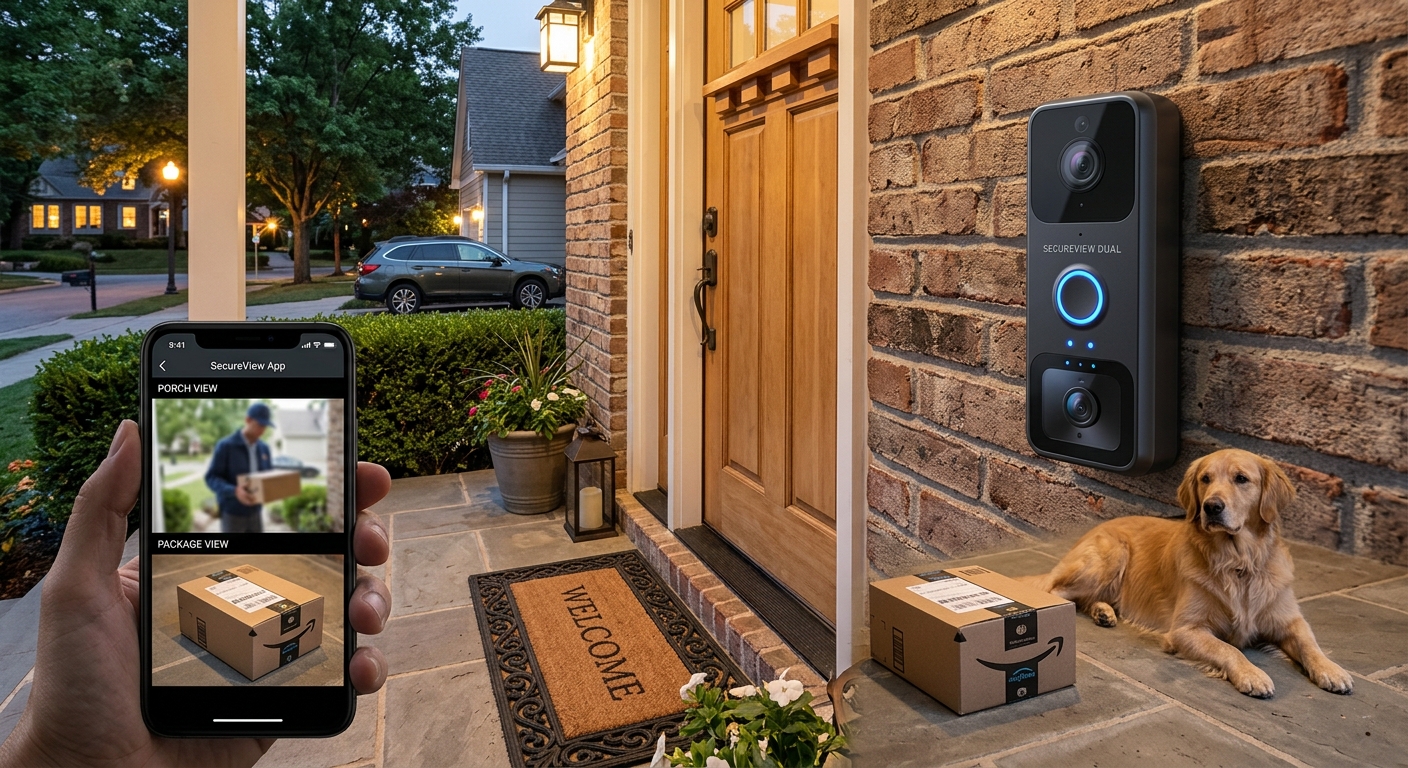
Dual-camera video doorbells enhance home security by providing comprehensive surveillance with two distinct cameras, improving coverage and minimizing blind spots. One camera typically captures a standard view while the second offers a complementary perspective focused on objects like packages. These advanced devices support simultaneous video streams, providing clearer footage with superior image quality and night vision capabilities, reducing false alarms and improving identification of visitors and deliveries. While they offer substantial security benefits, users should be aware of the potential privacy implications and navigate the legal landscape surrounding data collection and consent.
Technical Features and Functionality
Dual-camera systems are designed to deliver broader coverage around entryways, dramatically reducing blind spots and enhancing overall situational awareness. With capabilities like high-resolution video, advanced motion detection, and dual-angle viewing, these devices provide a reliable solution for monitoring potential theft or suspicious activity. Users gain access to features such as package detection and facial recognition, which prioritize effective alerts while substantially lowering the occurrence of false alarms. The need to balance high functionality with the challenges of maintaining real-time performance through wireless connectivity can influence user experience and satisfaction.
Market Comparison: Dual vs. Single-Camera Options
When comparing dual-camera and single-camera video doorbells, dual-camera models stand out due to their improved monitoring capabilities and advanced detection features, such as human and package recognition. Although they are typically priced higher, the added value comes from clearer footage, enhanced night vision, and increased detection accuracy. Users looking for basic monitoring may find single-camera systems sufficient, but those with higher security needs are likely to benefit from the dual-camera technology that provides comprehensive coverage and more reliable alerts.
Consumer Choices and Brand Overview
With a rapidly expanding market, several brands now offer a variety of video doorbell options tailored to different budgets and needs. While dual-camera models tend to cost more, they provide better functionality, assisting homeowners with enhanced features like high-definition video and improved night vision. Leading brands such as Eufy, Arlo, and Wyze present diverse models that integrate well with smart home ecosystems, making it crucial for consumers to choose devices that align with their existing technology. Understanding brand compatibility helps ensure integration into a cohesive security system, enhancing overall user experience.
Privacy and Legal Framework
Homeowners must navigate various privacy and legal considerations when using video doorbells. While recording on one’s property is generally lawful, individuals must respect their neighbors’ privacy and adhere to regulations that may vary by location. Understanding the implications of data collection and potential law enforcement access is essential. Additionally, privacy laws, especially in areas governed by the GDPR, require users to be mindful of data management when their recordings extend to public domains. Features designed to help mitigate unnecessary data capture can support compliance with these regulations.
Challenges and Future Trends
As technology continues to advance, video doorbells face technical challenges, such as latency issues from motion detection to alert notifications. Addressing these delays will be crucial in enhancing the responsiveness of dual-camera systems. Future developments are likely to focus on integrating these devices with broader home automation systems, improving user interaction, and ensuring stringent privacy measures. Ongoing innovation in features and technology, alongside attention to user experience and regulatory compliance, will shape the direction of video doorbell offerings moving forward.